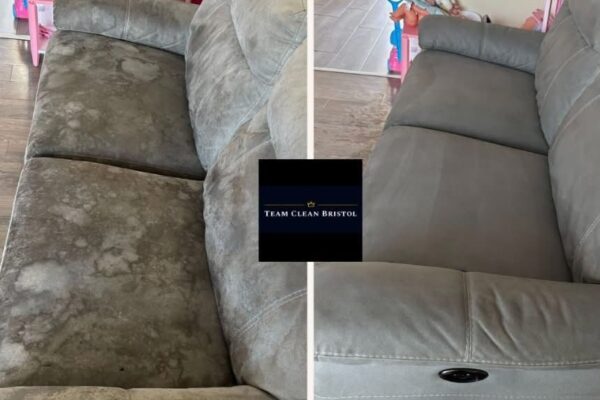
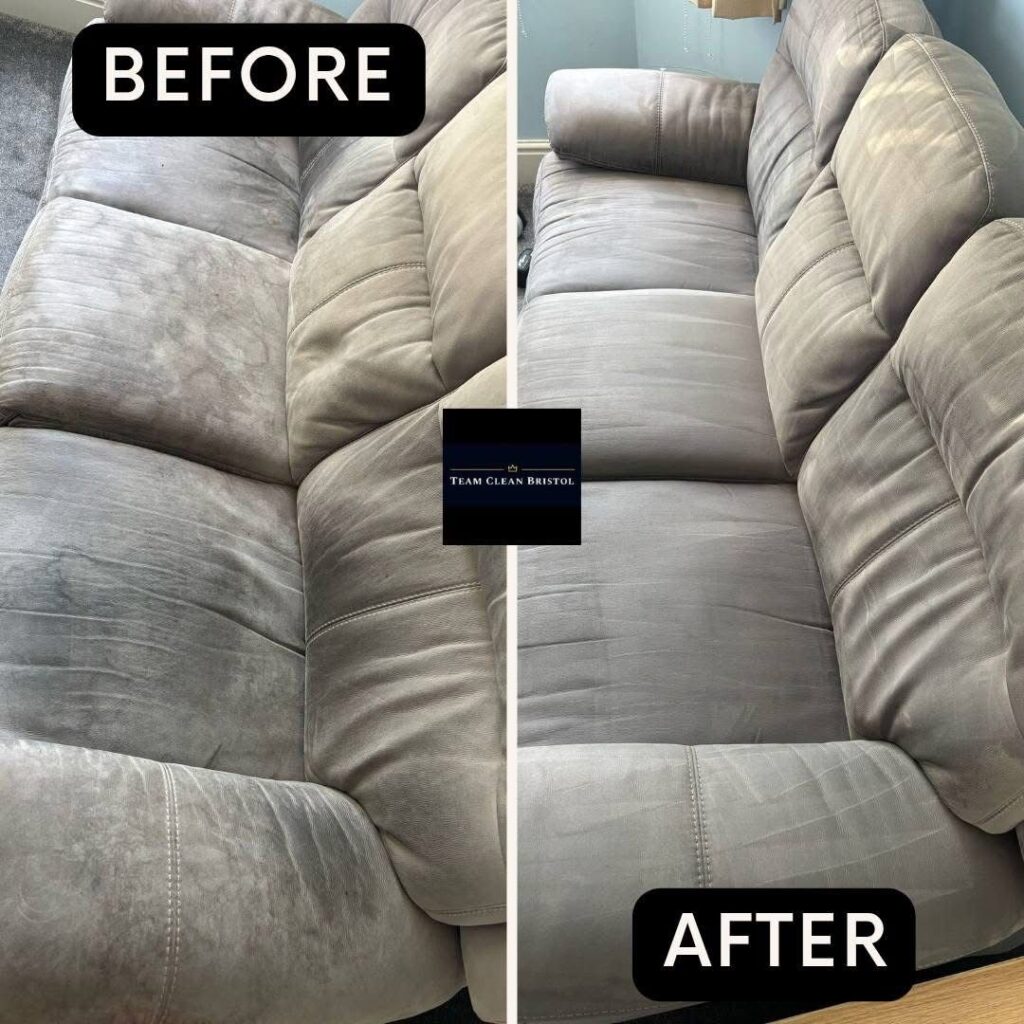
Sofa cleaning in Bath is an essential service for homeowners, landlords, and businesses seeking to maintain the hygiene, comfort, and longevity of their upholstered furniture. Bath, a historic city in Somerset renowned for its Georgian architecture, Roman heritage, and vibrant cultural scene, presents unique challenges for sofa cleaning due to its blend of period properties, modern flats, and commercial spaces. The local climate, which includes damp winters, occasional fog, and mild summers, contributes to the accumulation of dust, pollen, and moisturerelated stains on sofas, armchairs, and other upholstered furnishings. Professional sofa cleaning in Bath involves a thorough assessment of the fabric type, such as cotton, linen, wool, leather, or synthetic blends, to select the most suitable cleaning method. Techniques commonly used include steam cleaning, hot water extraction, dry foam treatments, and ecofriendly detergents designed to remove embedded dirt, allergens, and odours while preserving the integrity and texture of the fabric. Residents often prioritise sofa cleaning in hightraffic areas, particularly in living rooms, family lounges, and offices, where regular use increases the likelihood of stains, wear, and dust accumulation. Seasonal cleaning is especially recommended after wetter months, as excess moisture can lead to odours, mildew, and fabric deterioration. Local businesses, including hotels, cafés, and guest houses, rely on professional sofa cleaning to uphold standards of hygiene and presentation for visitors. Working with cleaning providers familiar with Bath’s architectural heritage ensures that the methods used are suitable for delicate or antique upholstery, protecting the furniture from damage while maintaining aesthetic appeal. Advanced approaches, such as pretreatment for stubborn stains, odour neutralisation, and postcleaning fabric protection, ensure sofas remain in excellent condition. Investing in professional sofa cleaning in Bath not only improves the appearance and comfort of furniture but also contributes to a healthier indoor environment, reducing allergens and extending the lifespan of upholstered pieces, which is particularly important in a city where historic and valuable furnishings are commonplace.